


Growing Locally and Deeply
Social enterprises do more for communities by eschewing the Silicon Valley model.
Social enterprises do more for communities by eschewing the Silicon Valley model.

Employees who volunteer for social impact work may see careers harmed by sexist biases.

Targeted scholarships may draw underrepresented groups away from more lucrative funding.
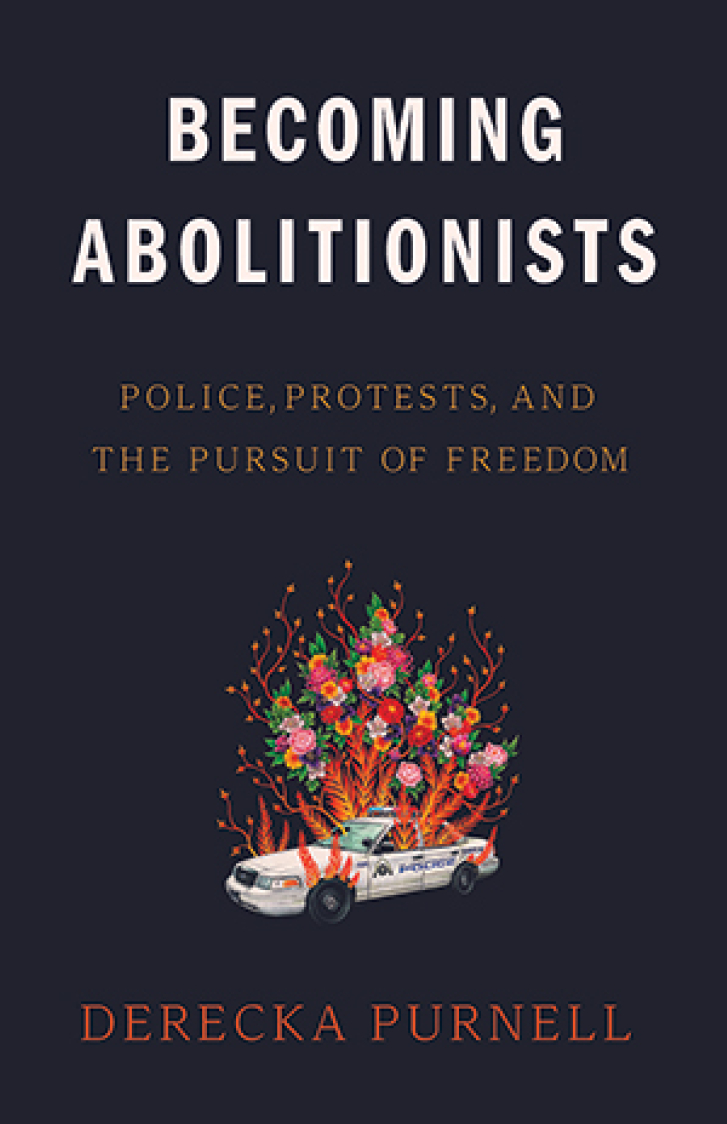
Arguing that police reform is impossible, Derecka Purnell charts an alternative path to building safer communities and a more just world.
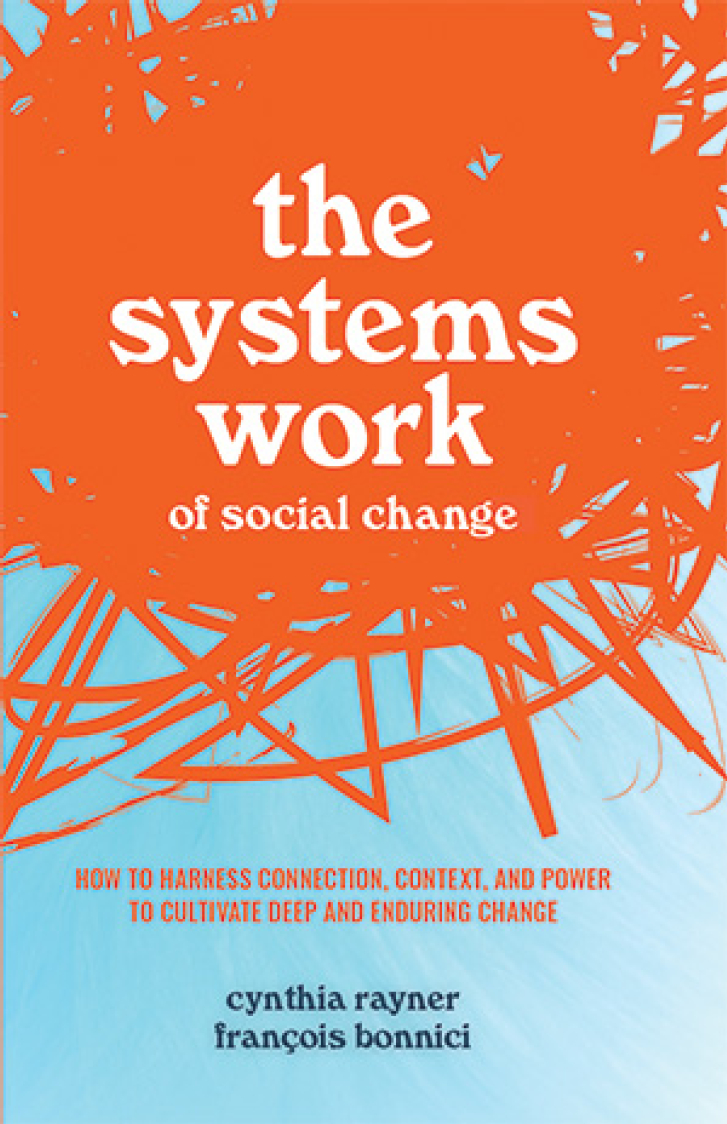
Cynthia Rayner and François Bonnici recommend that organizations seeking systems change focus less on outcomes and more on principles and practice.

Authors of a seminal article on collective impact explore what it means to put equity at the center of the practice and how that changes the collective impact process itself.

A collection of standout pieces published online about impact accounting, intersectional storytelling, NGO endgames, universal basic income in South Korea, and a social enterprise supporting coffee growers in Central America.

The tens of thousands of Haitians who have migrated through Central and South America since 2010 have captured the attention of the media, immigration officials, and human rights advocates.
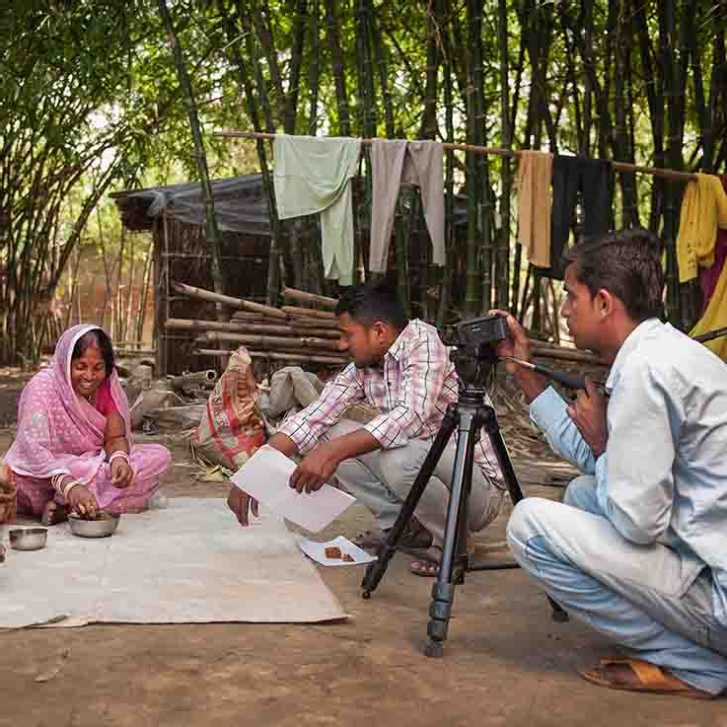
How small and medium NGOs and social enterprises can help the public sector successfully adopt and scale their innovations.

An excerpt from Creative Acts for Curious People on making judgments more deliberate